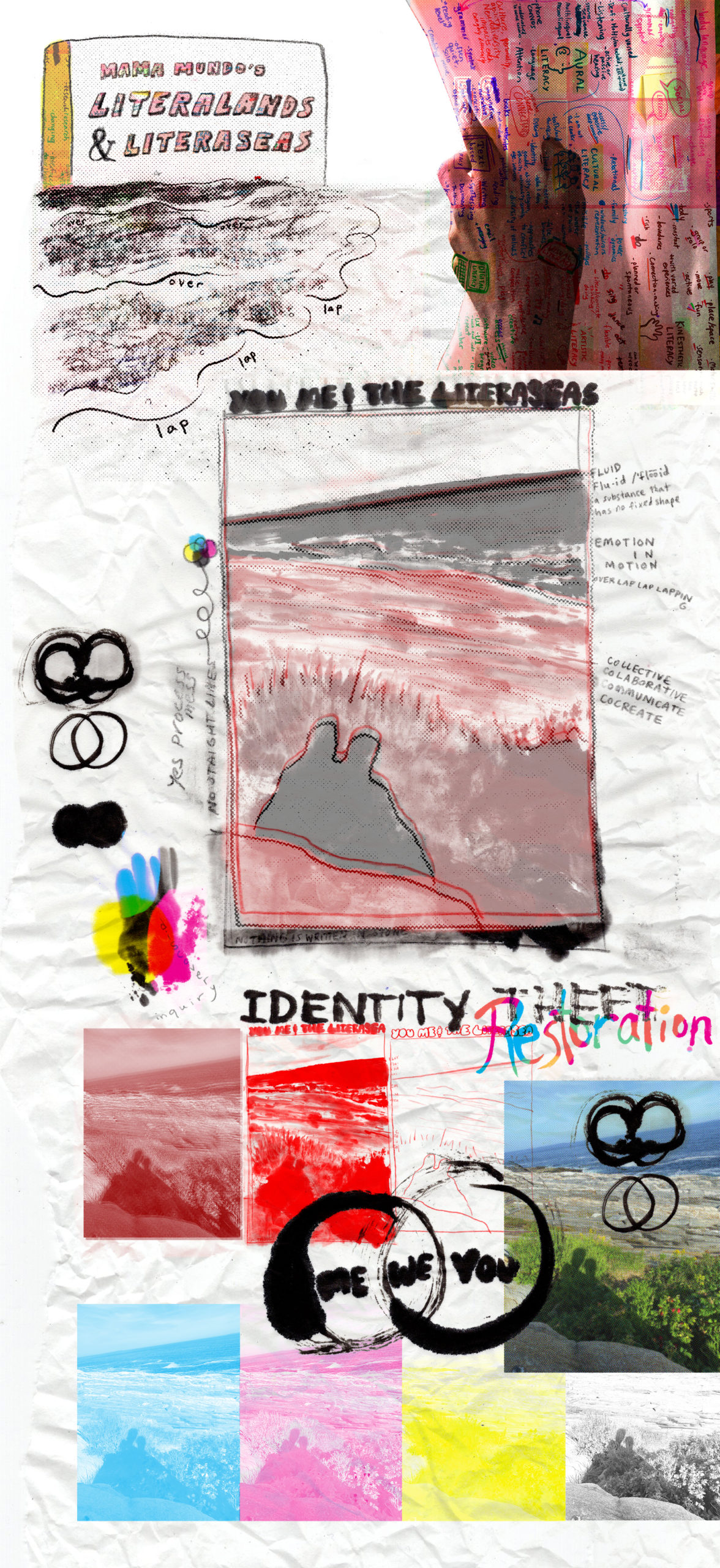
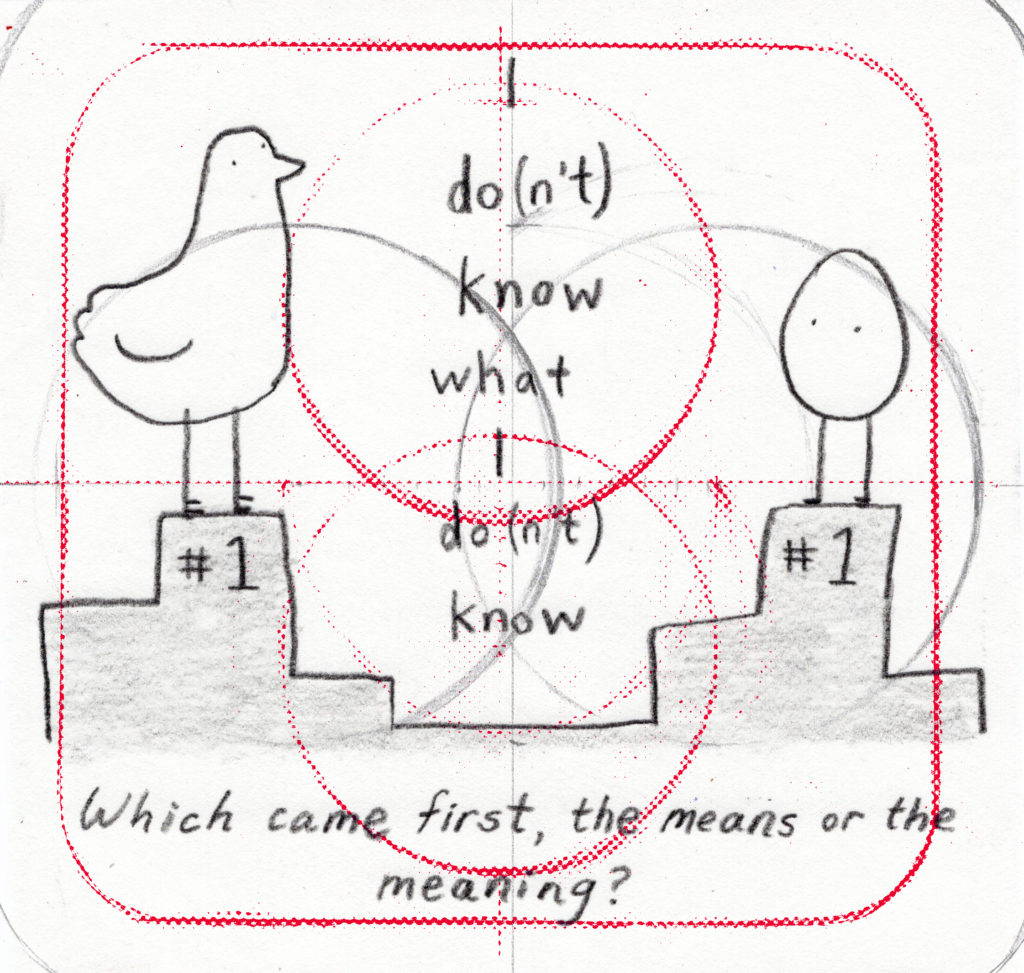
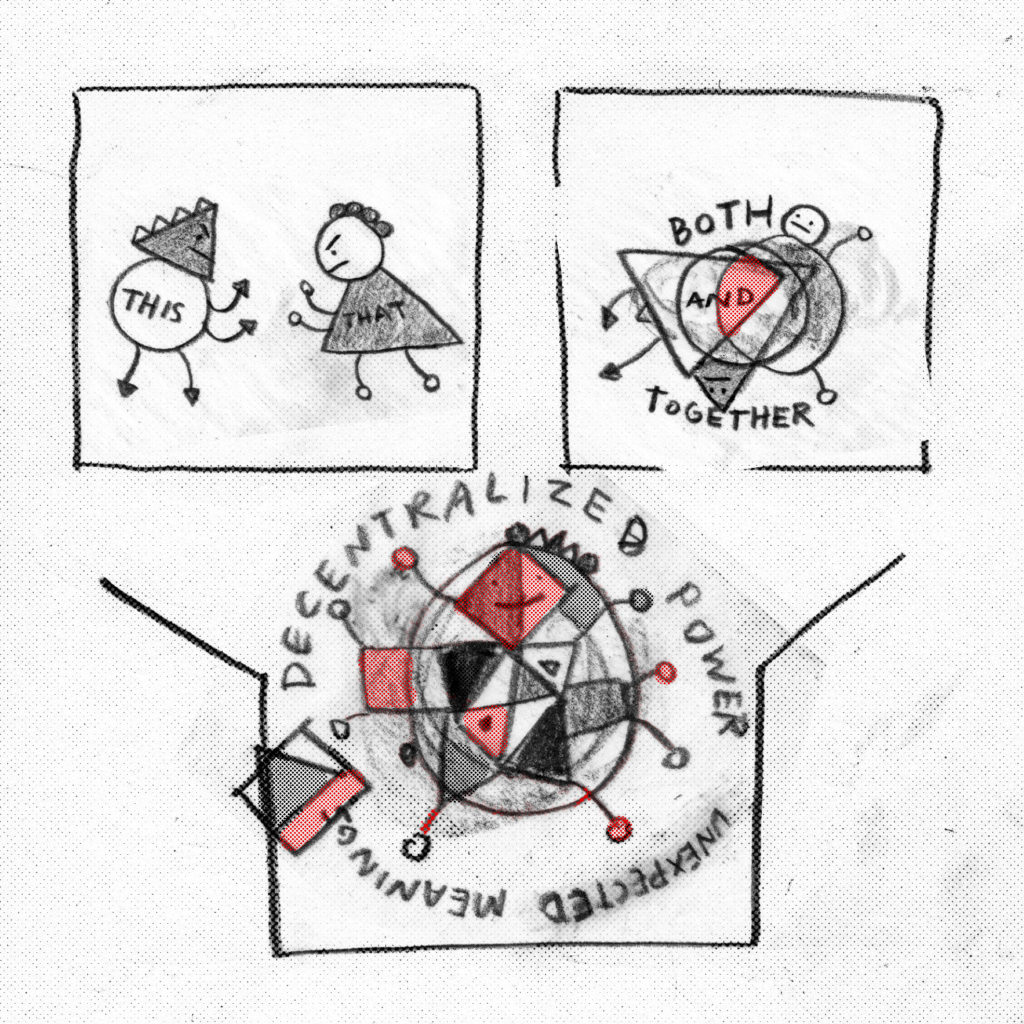
Entangling Arts and Literacy in Education
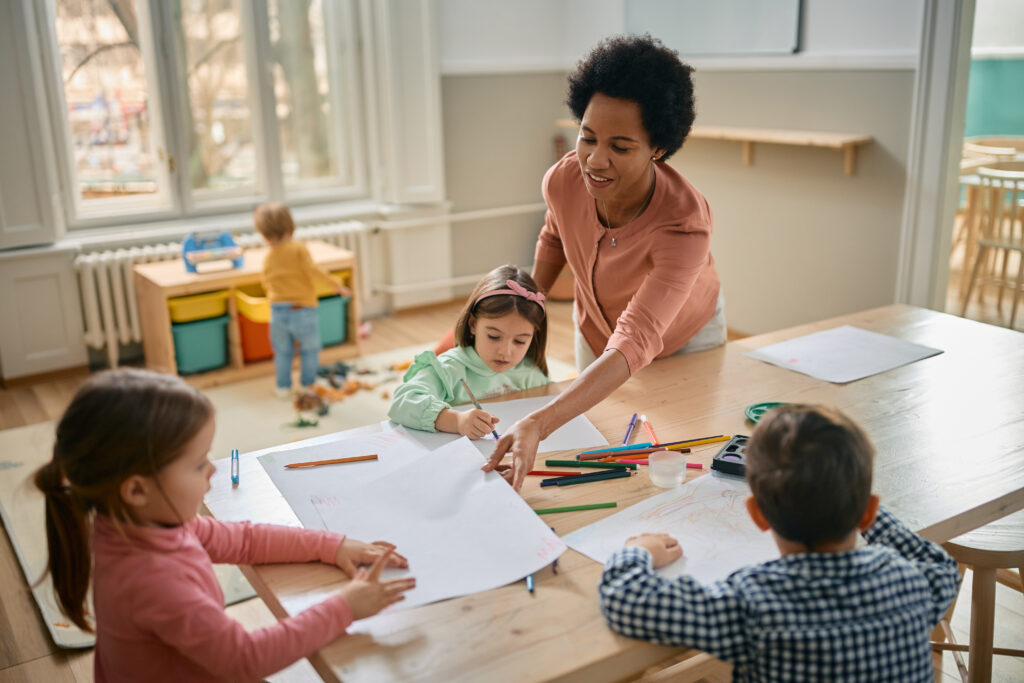
“…an activity consisting in producing relationships with the world with the help of signs, forms, actions and objects”
I came across this definition a few years ago when I was first beginning a graduate program in literacy education. It is not, however, a definition from a literacy textbook. It’s Nicolas Bourriaud’s definition of art from his book, Relational Aesthetics. I highlight this quotation because for me it helped bridge the concepts of arts and literacy in a way that I had not considered before. Viewing both arts and literacy as relationship-producing activities (and I would add “meaning-producing” as well) helped me consider how profoundly they overlap, intersect and commingle and what that might mean for arts and literacy education.
Contemporary understandings of literacy extend well beyond the commonly understood definition as the ability to read and write. In its broadest understanding, literacy is a set of practices that humans use to make meaning in and sense of our worlds. I want to highlight a few important characteristics of literacy in order to connect it to arts education.
- Literacy is multimodal. We use a combination of various modalities to “identify, understand, interpret, create, compute, and communicate” meaning. Literacy scholars have identified the following modalities: written language, oral language, visual representation, audio representation, tactile representation, gestural representation and spatial representation. While each mode creates meaning in unique and characteristic ways, the various modes do not exist or function in isolation. Rather, they exist and function in dynamic relationships with one another.
- Literacy is plural in another sense too; it is linguistically and culturally diverse. There are thousands of languages and dialects worldwide, each with their own way of explaining and shaping reality.
- Literacy is a sociocognitive process, meaning it arises from a complex, co-constitutive and inextricable relationship between cognitive functions and social environments. Because literacy is shaped by social worlds, it reflects and reinforces beliefs, values and power dynamics. It is never neutral. Thus, we must acknowledge how power, politics, oppression and justice determine who speaks, who is heard, how meaning is made and what/whose knowledge is sanctioned.
With this expanded conceptualization of literacy, the relevance to arts and arts education becomes clearer. Making and experiencing art is also a multimodal, linguistically and culturally diverse, sociocognitive, and socially situated practice of meaning making. In connecting arts and literacy, my concern is not to create qualifications in order to discern when art is literacy, when literacy is art, and all of the possible amalgamations between, if that were even possible. My goal here is to show that the symbiotic relationship between art and literacy is profoundly relevant to contemporary education.
Approaching arts and literacy as divergent practices that are entangled with one another, rather than as integrated or parallel processes, expands conceptualizations of both arts and literacy, which in turn expand ways of knowing. One of the things that entangling arts and literacies has helped me understand and articulate is how the various ways that we know – the languages, modalities, mental schemata, conceptual frameworks, languages, metaphors, to name a few – profoundly shapes what we know and, ultimately, what we do with that knowledge.
A conceptual framework of literacy helps position arts in education, not just as an outlet for expression, but also, and equally important, as a mode of attention and framework for knowledge generation and transformation. Promoting and supporting knowing from, through and with the arts has the potential to provide alternatives to the dominant, limiting ways of thinking and being rooted in a modern, Western, Eurocentric worldview. Knowing and being differently, outside of our existing frameworks, is extremely relevant to contemporary education as we prepare students (and ourselves) for a world that is facing a variety of crises.