Building Engagement in the Visual Art Classroom
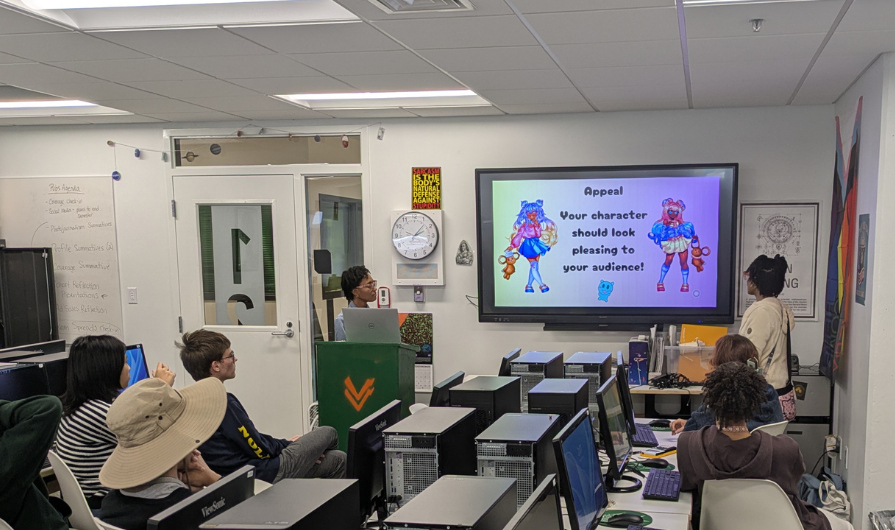
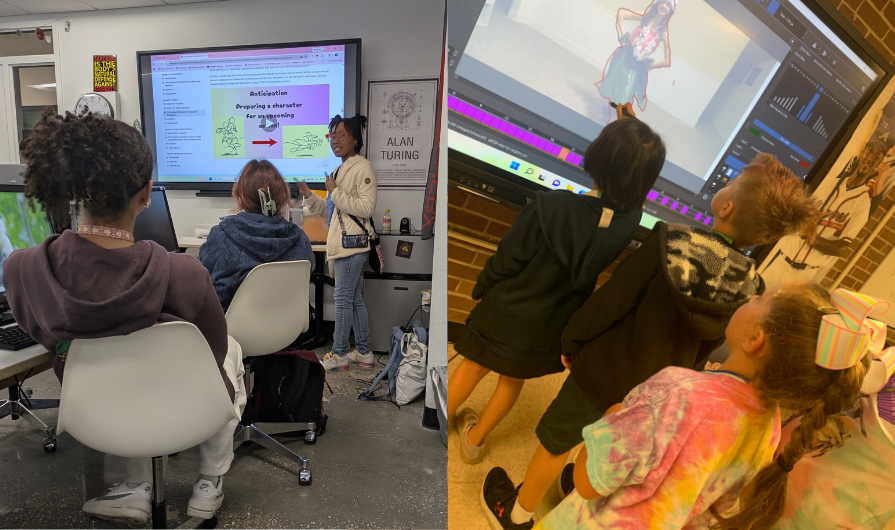
We are Dria and Blake Jackson, and we created Twinimation Studios to inspire and teach aspiring artists how to start their own journey in animation and numerous other digital arts. We provide workshops, online courses and workbooks to help teach young artists how to navigate their own art careers. In our time in the field, we have heard from many educators about the struggle to keep students engaged in visual art classrooms. Many teachers face student apathy and a lack of student interest. This led us to come up with three strategies to help inspire student engagement in the classroom.
1. Consider Open Ended Assignments
People tend to lack motivation when doing something they have to do vs. something they actually want to do. Instead of requiring all students to execute the exact same tasks to show their understanding of art concepts, perhaps consider allowing students to design their own projects. Twinmation Studios abides by this philosophy by crafting educational lessons without strict guidelines. Rather than providing a list of standards each child much meet, students are free to apply their skills to the material as they best see fit. Reformatting lessons to give students more creative control is proven to benefit learners of all ages, instilling responsibility and independence.
2. Encourage Simplicity and Minimalism
Another issue that can create disgruntled students is the fear that their work isn’t up to standard. If the bar is set too high with overly advanced source material, many students might not even attempt the assignments asked of them.
An alternative can be to encourage minimalism, by incorporating artists with a more simplistic style into lesson plans as references. For example, many beginner painters tout Bob Ross as being the main inspiration at taking that first step toward painting. His incredibly simplistic painting style is both easy to remember and execute for individuals with limited painting experience. Studies also note that minimalism can help learners remove expectations from art and better enjoy the creative experience.
Twinimation Studios offers a Bob Ross inspired digital painting course for new digital painters. The aim with this course was to invite students to the digital painting space by introducing basic lessons that can be followed by all ages, before transitioning to more advanced techniques. This approach invites beginners with less experience to feel more comfortable with the lessons, while also encouraging growth along the way.
3. Highlight Application Over Appearance
Regardless of which grading scale is utilized, assigning a letter grade for art assessments tends to lead to intense discussion. There is much debate on how to grade something considered to be entirely objective. While there is no single correct answer, a helpful strategy is to simply ensure that students can properly apply the subjects taught in class. For a lesson teaching the 12 Principles of Animation, one might consider the following points for a rubric:
- Does the student clearly understand the principles?
- Can they execute the principles in an animation?
- Are they able to utilize the principle in multiple ways?
These process-based questions hold more weight than judging the work solely for its visual appeal. A new artist can always improve their skills in terms of design and presentation. But it is essential to ensure that the basics are understood. An artwork can look visually advanced while still lacking proper understanding of artistic principles. This is especially important for art educators to be aware of with the rise of AI imagery, which can look normal at a glance but often feature notable errors not found in professional artwork.
In Conclusion
Utilizing these techniques, art educators can provide a unique, learner-led experience for their students across all grade levels. Twinimation Studios will continue to promote such strategies across our educational lessons and products.